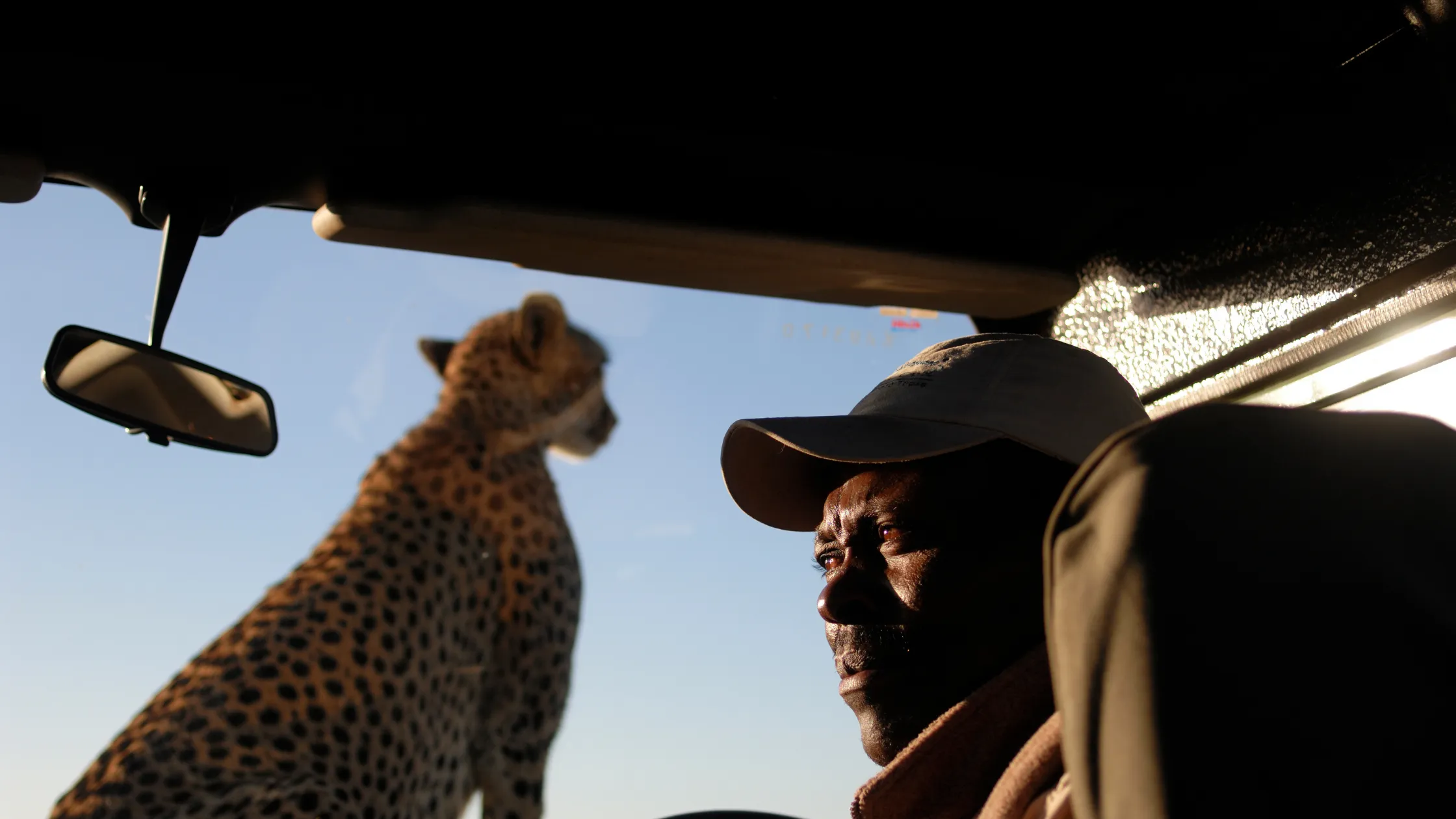
A Kenyan safari is unforgettable, and a short list of avoidable mistakes is usually all that stands between you and a stress-free trip. This guide covers the Kenyan safari things to avoid, from feeding animals and flying drones without permission to unsafe water, illegal souvenirs and orphanage visits, with a safer alternative for each one.
Quick Answer: The mistakes that matter most are feeding or crowding wildlife, leaving your vehicle outside designated areas, flying a drone without approval, drinking untreated tap water, buying anything made from wildlife, and visiting orphanages as a tourist. Kenya Wildlife Service (KWS) asks visitors to stay at least 20 metres from animals and keep below 40 km/h. Almost everything else comes down to listening to your driver-guide.
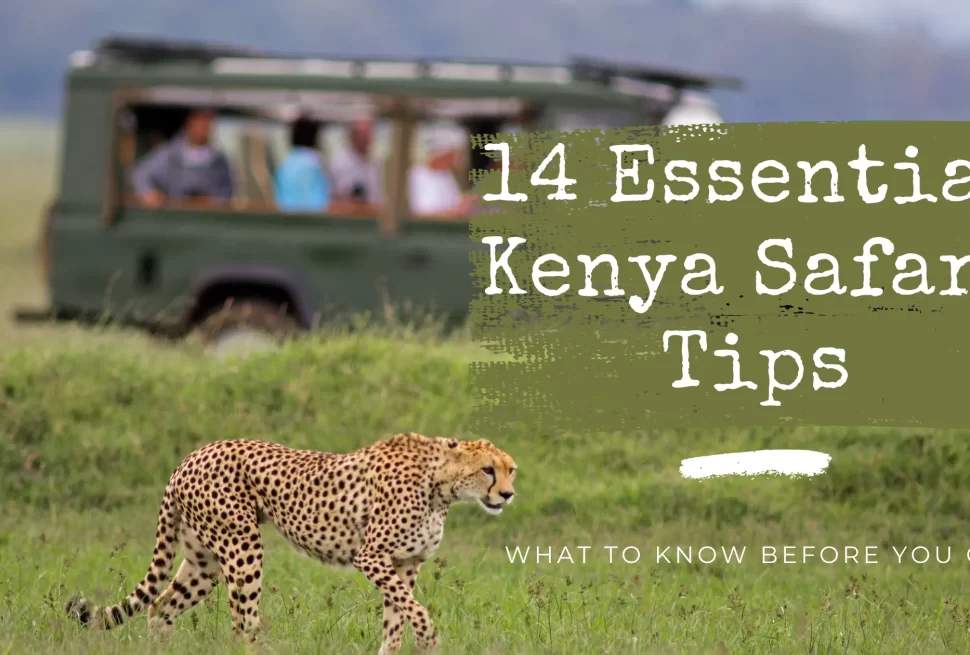
Planning the rest of your trip? Our 14 essential Kenya safari tips cover packing, timing and visas. This guide is the other half: what not to do. Start with the single most important rule about wildlife.
1. Is It Illegal to Feed Wildlife in Kenya?
Yes. KWS visitor rules tell you not to feed animals because it disrupts their natural diet and makes them dependent on people. KWS also asks you to stay at least 20 metres from wildlife. Tossing food from a vehicle, or leaving snacks where baboons and monkeys can reach them, is feeding.
Food-conditioned animals lose their wariness, start raiding vehicles and lodges, and are usually the ones that end up hurt or removed. Keep snacks zipped in your bag, never throw fruit peel out of a window, and reach for a telephoto lens instead of asking your driver to edge closer. The KWS visitor rules are short and worth reading before you go.
Do this instead: photograph from a distance, and if your driver pulls up closer than feels right, say so. A good guide would rather reposition than argue.
2. Can You Get Out of Your Vehicle on a Kenya Safari?
Not in most national parks. KWS rules say to stay in your vehicle at all times, except at designated picnic or walking areas. Predators often rest in long grass a few metres from the road, and animals react very differently to a person on foot than to a vehicle.
Standing up through the pop-up roof is normal. Leaning out of a window, sitting on the roof edge, or stepping out “just for a quick photo” is not. Need a bathroom break? Ask your guide to stop at a gate, lodge or picnic site rather than stepping out where it looks quiet.
Do this instead: if you want to stretch your legs, book a guided walk. Several private conservancies run them with an armed ranger, and your guide can tell you which ones fit your route.
3. Can You Fly a Drone on a Kenya Safari?
Almost certainly not. Kenya treats drones as restricted imports that need Kenya Civil Aviation Authority (KCAA) approval, and national parks and reserves should be treated as no-fly zones unless the responsible authority gives written permission. Private conservancies need the landowner’s written consent as well.

These approvals are separate. Import approval, registration, operator authorisation and land-manager permission each cover a different thing, and one does not stand in for another. Private-use drones also cannot be used for paid or commercial work. The risk for ignoring this is confiscation, detention and enforcement action, so check with KCAA before you pack one, because the rules have shifted in recent years.
Even where flying is permitted, drones can disturb nesting birds and spook herds. If aerial footage matters to you, a licensed operator working under written approval is the only sensible route.
4. Is Kenya’s Tap Water Safe to Drink?
For most visitors, no. Stick to sealed bottled water, filtered or chemically treated water, or drinks made with freshly boiled water such as tea and coffee. CDC’s guidance for destinations where tap water may be unsafe also says to avoid ice of unknown origin and to avoid tap water even for brushing teeth.
Wipe the outside of a bottle before drinking from it, and check the seal. Cloudy water is a special case: boiling or treating it will not make it safe, so use bottled water instead. Most safari lodges provide treated drinking water in rooms and at camp, so just ask.
Do this instead: carry a refillable bottle with a filter for remote stretches, and buy sealed water in towns. The CDC food and water precautions are clear and worth a quick read.
5. Is It OK to Photograph People in Kenya?
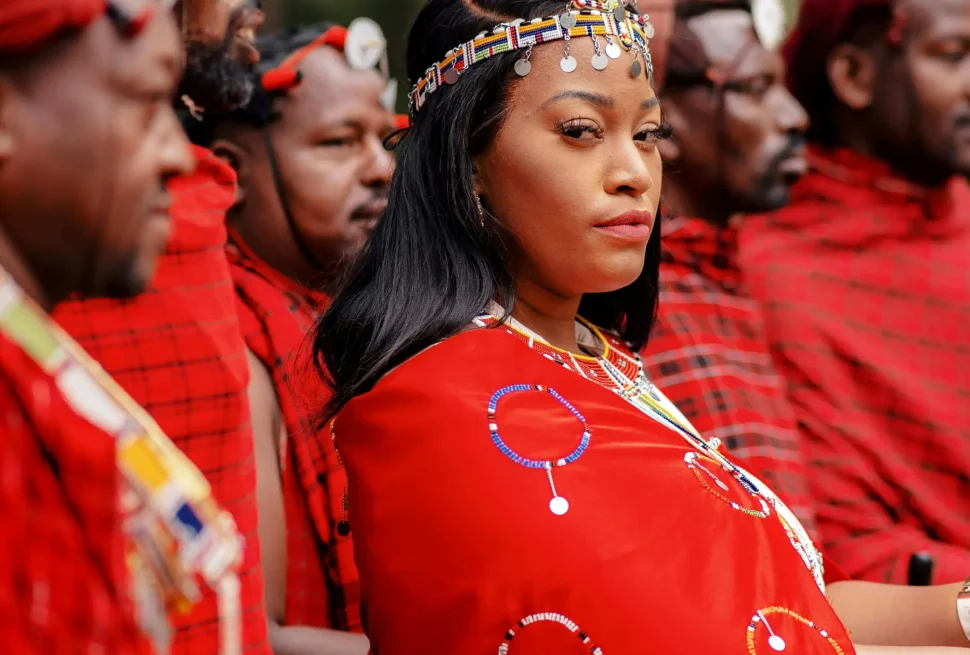
Only with permission. Ask before photographing Maasai, Samburu or any other community member, a market trader or a child, and accept a no without argument. Some people ask for a small fee, which is their choice to make.
Many locals are happy to be photographed once you have asked politely, and showing them the picture afterwards usually earns a smile. Agree on any fee before you take the shot, not after. Visitors are also generally advised not to photograph airports, police officers or government buildings.
Do this instead: join a properly arranged cultural visit, where photography, payment and conversation are agreed with the community in advance.
6. Can You Buy Ivory or Wildlife Souvenirs in Kenya?
No. Ivory, big-cat skins, rhino horn and items made from protected animals are illegal to trade, and exporting them breaches both CITES and Kenyan law. Airport security at Nairobi has repeatedly seized ivory from passengers, and serious trophy offences can carry sentences up to life imprisonment.
Under Kenya’s Wildlife Conservation and Management Act 2013, dealing in trophies of critically endangered species carries three years to life and fines up to KSh10 million. Sellers sometimes approach tourists with “old” ivory bracelets or skins. Walk away.
Do this instead: buy beadwork from women’s cooperatives, kiondo baskets, kikoys or Kisii soapstone carvings, and ask where an item was made.
7. Should You Visit an Orphanage on Safari?
No. Child-protection groups advise against orphanage visits and volunteering because they sustain institutions that harm children. Better Care Network reports that at least 80% of children in orphanages have one or both parents living, and that most could be cared for by family with the right support.
Children in institutions can miss out on consistent individual care and face a higher risk of abuse and exploitation. Rotating tourists add to the problem, and privately funded orphanages can resist efforts to reunite children with their families. Better Care Network explains the evidence in plain language.
Do this instead: support family-based care, verified local organisations and community enterprises. Our guide to community-based tourism in Kenya shows how visitors can contribute without putting children at risk.
8. Don’t Change Money on the Street
Street money-changers often offer a rate that looks better than any bank, and that is exactly the hook. Notes get swapped, counted short or turn out to be wrong. Use ATMs at banks, airports and malls in towns like Nairobi, or a licensed forex bureau, and check the rate online first.
Pay locals in Kenyan shillings where you can, and carry small notes for tips, curios and roadside stops, because change is hard to find in rural areas. Be wary of any counter that seems too good to be true.
9. What Local Customs Should Visitors Respect?
Greet people before asking for anything, accept offered tea or food graciously, dress modestly in villages, towns and on the coast, and keep public affection low-key. Kenya is fairly conservative outside safari lodges, and elders are treated with particular respect.
Opening with “what tribe are you from?” can feel like stereotyping. Ask where someone’s home is instead. Don’t haggle over original artwork the way you would over produce, since the price reflects an artist’s time. At ceremonies and places of worship, ask your guide about photography and dress before you raise a camera.
10. What Can’t You Do With Fire, Litter and Plastic in Kenya’s Parks?
Never leave a fire unattended, never throw burning items from a vehicle, and leave no litter. Kenya also announced a ban in June 2020 on single-use plastic bottles, cups, plates, cutlery and straws in protected areas, so carry a refillable bottle and ask your operator how your park applies it.
Dry-season grass fires spread fast, and a discarded cigarette is enough to start one. Smoke only at your lodge or in designated areas. Pack out wrappers and bags, because baboons, hyenas and birds will find them and some of it ends up swallowed. UNEP’s summary of the ban explains what it covers.
11. How Close Is Too Close at a Sighting or River Crossing?
Keep at least 20 metres from wildlife, per KWS, and never block an animal’s path. In the Mara Triangle, vehicles waiting for a sighting stay 100 metres back, and viewing is capped at 10 minutes when more than five vehicles are waiting. Crossings are where crowding does the most damage.
Vehicles that push to the riverbank can turn a herd around, and a herd that turns around may wait hours before trying again. The Mara Triangle rules allow rangers to fine or remove vehicles, and you can report violations by noting the date, time, operator and licence plate. River crossings in the Maasai Mara typically peak from late July to October, though timing shifts with the rains.
Do this instead: be patient, take turns, and choose a guide who rotates vehicles. Bring a packed lunch, because crossings can take hours.
12. Don’t Walk Off on Your Own, and Never at Night
Wildlife does not respect lodge boundaries. Elephants, buffalo and even hippos wander through camps after dark, which is why lodges escort guests to their rooms at night. Wait for the escort, even for a short walk.
In KWS parks, visitors must leave between 6:00 pm and 6:00 am unless camping. Stay on marked roads and trails, and walk only in designated areas or with a ranger.
13. Is Flash Photography Allowed on Safari?
Avoid flash and bright torches near wildlife. They startle animals and can disrupt hunting. In a KWS national park you should not be out at night in the first place, since night game driving is not allowed there. Some private conservancies run guided night drives with their own light rules, so follow your guide’s lead.
For low light, use a fast lens, raise your ISO, and brace the camera on a beanbag. Switch off focus-assist beams and artificial shutter sounds, and ask your guide before using any light at all.
14. Don’t Pressure Your Driver-Guide to Speed or Go Off-Road
KWS asks visitors to stay below 40 km/h. Driving off the road damages grassland and can bring fines, and guides risk their licences if they bend rules for a better photo. If you only have three days, don’t try to squeeze in the Maasai Mara, Amboseli and Lake Nakuru. You’ll spend more time on the road than at sightings.
Tell your guide in the first hour what matters most to you, whether that is big cats, birds or photography, then let them do their job. Rushing from one sighting to the next usually means you see less.
15. What Should You Not Wear on a Kenya Safari?

Skip camouflage, which is widely reported to be illegal for civilians in Kenya, and avoid bright white and loud colours that stand out and show dust. Choose neutral khaki, olive, tan or brown. Dark blue and black can attract tsetse flies in bushy areas, so leave them at home too.
Pack layers. Mornings on an open-top drive can be cold, especially in the highlands, and the afternoon sun is strong. A wide-brimmed hat, closed shoes and sunscreen matter more than the outfit.
16. Don’t Book With an Unvetted Operator
Scams targeting safari travellers are real. Pay deposits only to company accounts you have verified, check that the company holds a Tourism Regulatory Authority licence, and compare written quotes line by line. Ask exactly what is included in park fees, vehicle and guide. Travel insurance that covers medical evacuation is worth having too. Our guide to choosing the best safari company in Kenya walks through the checks.
Top 12 Safari Don’ts at a Glance
| # | Don’t | Do this instead |
|---|---|---|
| 1 | Feed or approach wildlife | Stay 20 m back and use a telephoto lens |
| 2 | Leave the vehicle outside designated areas | Ask your guide for a picnic site or walk |
| 3 | Fly a drone | Leave it at home or get written approval |
| 4 | Drink tap water | Use sealed, filtered or boiled water |
| 5 | Photograph people without asking | Ask, show the photo, accept a no |
| 6 | Buy ivory, skins or wildlife products | Buy beadwork, baskets or soapstone |
| 7 | Visit orphanages | Support family-based care and community projects |
| 8 | Change money on the street | Use ATMs and licensed bureaus |
| 9 | Ignore local customs | Greet first and dress modestly |
| 10 | Leave fires, litter or single-use plastic | Pack out everything, carry a reusable bottle |
| 11 | Crowd a sighting or crossing | Wait your turn and keep your distance |
| 12 | Use flash or bright torches at wildlife | Use a fast lens and high ISO |
If You Break a Rule
The KWS visitor rules page does not publish a fine schedule, so what happens depends on the park and the offence. Some places, such as the Mara Triangle, allow rangers to issue on-the-spot fines or remove a vehicle. If that happens, pay only at the official ranger office and keep the receipt. Tell your operator straight away. To report another vehicle’s behaviour in the Mara Triangle, note the date, time, operator and plate, and email mara@maratriangle.org.
Frequently Asked Questions
Is feeding animals illegal in Kenya’s national parks?
Yes. KWS rules say not to feed animals because it disrupts their diet and makes them dependent on people. Keep at least 20 metres away, keep food inside the vehicle, and never throw scraps out of a window.
Can I fly my drone in the Maasai Mara?
Treat it as no. Drones are restricted imports needing KCAA approval, and parks and reserves are no-fly zones without written permission from the authority or conservancy. Private conservancies need the landowner’s consent. Confirm with KCAA before you pack one.
Can I drink tap water in Kenya?
Most travellers should not. Use sealed bottled water, filtered or treated water, or drinks made with freshly boiled water, and brush your teeth with safe water. CDC also advises skipping ice unless you know it was made with safe water.
Are orphanage visits recommended?
No. Child-protection groups discourage orphanage visits and volunteering, and Better Care Network reports that at least 80% of children in orphanages have a living parent. Support family-based care, community projects or verified organisations instead.
Is it OK to buy animal-skin or ivory souvenirs?
No. Ivory, skins and products from protected species are illegal to trade, and exporting them breaches CITES and Kenyan law. Items are seized, and serious trophy offences can carry sentences up to life imprisonment. Buy beadwork, baskets or soapstone instead.
Can I get out of the vehicle to use the toilet?
Not just anywhere. KWS rules say to stay in the vehicle except at designated picnic and walking areas. Ask your guide to stop at a lodge, gate or picnic site rather than stepping out because it looks quiet.
Can I take photos of Maasai people?
Yes, if they agree. Ask first, show them the photo, and accept a refusal. Some people ask for a small fee, which is their right. Agree on it before you take the picture, and never photograph children without clear permission.
Are plastic bottles allowed in Kenya’s national parks?
Kenya announced a ban on single-use plastic bottles, cups, plates, cutlery and straws in protected areas in June 2020. Enforcement and how it applies to visitors vary by park, so bring a reusable bottle and ask your operator.
Can I wear camouflage clothing in Kenya?
Leave it at home. Military-style camouflage is widely reported to be illegal for civilians in Kenya, and neutral khaki, olive and tan work better on safari anyway.
Are night drives allowed in Kenya?
Not in KWS national parks, where visitors must leave between 6:00 pm and 6:00 am unless camping. Some private conservancies offer guided night drives under their own rules, so ask your operator.
What happens if I break a park rule?
KWS does not publish a fine schedule on its visitor rules page, so penalties depend on the park and the offence. Rangers can fine or remove vehicles in places like the Mara Triangle. Pay only at official offices and keep the receipt.
Plan It With Someone Who Knows the Rules
The simplest safety rule on a Kenyan safari is to choose a driver-guide you trust and then listen to them. If you’d like help choosing parks, dates and a guide who will keep your trip safe, tell us your dates and the wildlife you most want to see, and we’ll build the itinerary around you. You can request a free, no-obligation safari quote here.
Last updated: 1 November 2026. Park rules, permits and fees change, so confirm current details with KWS, KCAA and your operator before you travel.