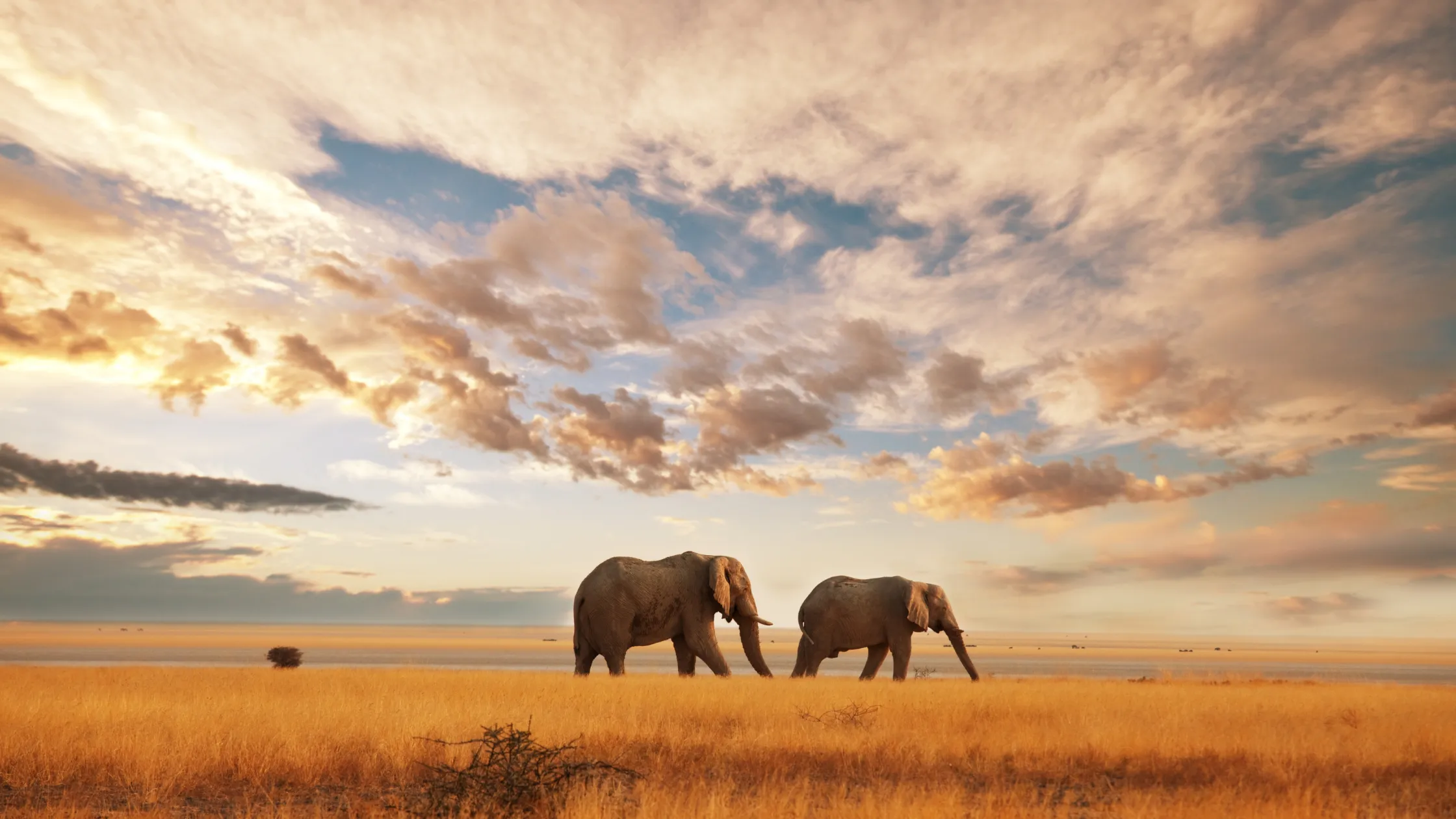
Picture your first morning in the Maasai Mara: a hot mug of coffee, a herd of elephants crossing the plain, and a guide who already knows where the lions slept last night. Good planning is what gets you there relaxed instead of scrambling. These Kenya safari tips cover the decisions that matter most, from timing and entry rules to packing, tipping, and park etiquette.
Quick Answer: Travel between late June and October for the best big-game viewing, or in January and February for a quieter dry window. Apply for your eTA at least a week ahead (about USD 30), see a travel clinic 6 to 8 weeks before you fly, pack neutral layers, binoculars, and sun protection, carry small notes for tips, and do exactly what your guide asks in the parks.
Below you’ll find timing, entry and health rules, money and tipping, a packing checklist, safety, family travel, photography and drone rules, current park fees, three sample itineraries and a FAQ. Park fees and entry rules change, so we’ve dated the figures and linked the official sources. Last updated: November 2026.
When Is the Best Time for a Kenya Safari?
The best time for a Kenya safari is the dry season from late June to October, when wildlife gathers around water and the Great Migration reaches the Maasai Mara, usually from July and peaking in August and September. January and February is a second, quieter dry window. April and May are the wettest months.
Migration timing and peak months
Herds usually start arriving in the Mara in July, crossing the Mara River in numbers through August and September, then drifting back south into Tanzania in October as the short rains begin. It is not a fixed calendar. In dry years the herds can reach the Mara as early as June, and in wet years they may not arrive in force until August. No honest operator can guarantee a river crossing on a given day, so plan for several days in the Mara rather than one.
We usually tell couples to book the Mara months ahead for August. The camps fill fast and rates climb.
Best months by region
| Region | Best months | Good to know |
|---|---|---|
| Maasai Mara | July-October, January-February | Migration peaks August-September |
| Amboseli | June-October, January-February | Kilimanjaro is clearest in early morning |
| Lake Nakuru and Naivasha | Year-round | Dry months make roads easier |
| Samburu, Laikipia, Ol Pejeta | June-October, January-March | Dry months concentrate wildlife near rivers |
| Tsavo East and West | June-October, January-February | Dust turns the elephants red |
| Diani and the coast | December-March, July-October | Heavy rain falls April-June |
What the green season offers
From November to early December (the short rains) and again from March to May (the long rains), the land turns green, birdlife peaks, newborn animals appear and rates drop. The trade-off is honest: some roads turn to mud, a few camps close or cut services in April and May, and game can be harder to spot in thick grass. Many repeat visitors love the dramatic skies and empty tracks. First-timers chasing the Migration should stay with July to October.
How many days do you need?
If you only have three days, pick one destination. Trying to squeeze in the Mara, Amboseli and Lake Nakuru means more time in the vehicle than watching animals. A weekend works best as a fly-in trip to the Maasai Mara. Seven to ten days lets you combine two or three parks without rushing. Ten to fourteen days adds Laikipia or Ol Pejeta and a few nights on the coast.
Do You Need a Visa for Kenya?
Most visitors from outside Africa need an electronic travel authorisation (eTA) before flying to Kenya. Apply on the official portal, etakenya.go.ke, at least a week ahead. The fee is about USD 30 per person at the time of writing, approval normally takes up to three working days, and a single-entry eTA must be used within 90 days of issue.
Kenya replaced its older visa system with the eTA in January 2024. Citizens of the East African Community and many African countries are exempt, so check your own passport on the portal before you pay anything.
Here is how the process usually runs:
- Check whether your nationality needs an eTA on the official portal.
- Apply only on etakenya.go.ke. Look-alike sites charge extra fees for the same form.
- Upload your passport page, a recent photo and your trip details, including where you’ll stay.
- Pay the fee and save the approval PDF. Print one copy and keep one on your phone.
Don’t leave it to the night before you fly. Approval can take longer from July to October, when applications peak.
Immigration will also expect a few basics. Your passport should be valid for at least six months beyond arrival with a blank page, and you may be asked for proof of onward travel and accommodation. We recommend applying for every traveller, children included, unless the portal tells you otherwise for your age group. Store scans of your passport, eTA, insurance policy and emergency contacts in your email or cloud folder in case a bag goes missing.
A yellow fever certificate can also be required if you arrive from a country with yellow fever risk, including via a transit stop there. Rules change, so confirm your own route with the official portal and your airline before departure.
What Vaccinations and Health Precautions Do You Need?
Entry rules are narrow (a yellow fever certificate applies to travellers arriving from risk countries), but most travel clinics also suggest checking routine vaccines, hepatitis A and typhoid, and discussing malaria prevention. Book your appointment 6 to 8 weeks before departure, because some vaccines need more than one dose.
The CDC’s Kenya travel page lists current recommendations by traveller type. Your own doctor or travel clinic will tailor them to your health, age and itinerary. We are tour guides, not medical professionals, so treat this section as a prompt for that conversation.
Talk to a doctor 6 to 8 weeks before you travel. Bring your full itinerary, including coast and highland stops, because malaria risk varies by altitude and region.
Malaria risk and prevention
Nairobi and the highlands above roughly 2,500 metres carry a low risk, while most classic safari areas, including the Maasai Mara, Tsavo and the coast, sit in the higher-risk zone. Many travellers are advised to take antimalarial tablets for those areas. Whatever your clinic decides, cover up at dusk and dawn, use repellent with DEET or a similar active ingredient, and sleep under the nets provided in camps. If you develop a fever during or after your trip, tell your doctor you’ve been in a malaria area. Malaria can show up months later.
Travel insurance and evacuation
Buy a policy that covers medical evacuation from remote areas, including light-aircraft transfers. Read the fine print on adventure activities such as balloon flights and walking safaris. A cancellation clause is worth having too, particularly for peak-season bookings you pay for months ahead.
Your first-aid kit
Bring prescription medicines in original packaging, plus antimalarials if prescribed, rehydration salts, plasters, antihistamines, pain relief and any child-specific medicines. Camps and lodges stock basics, but the nearest pharmacy can be a day’s drive away.
How Much Cash Should You Carry, and How Much Should You Tip?
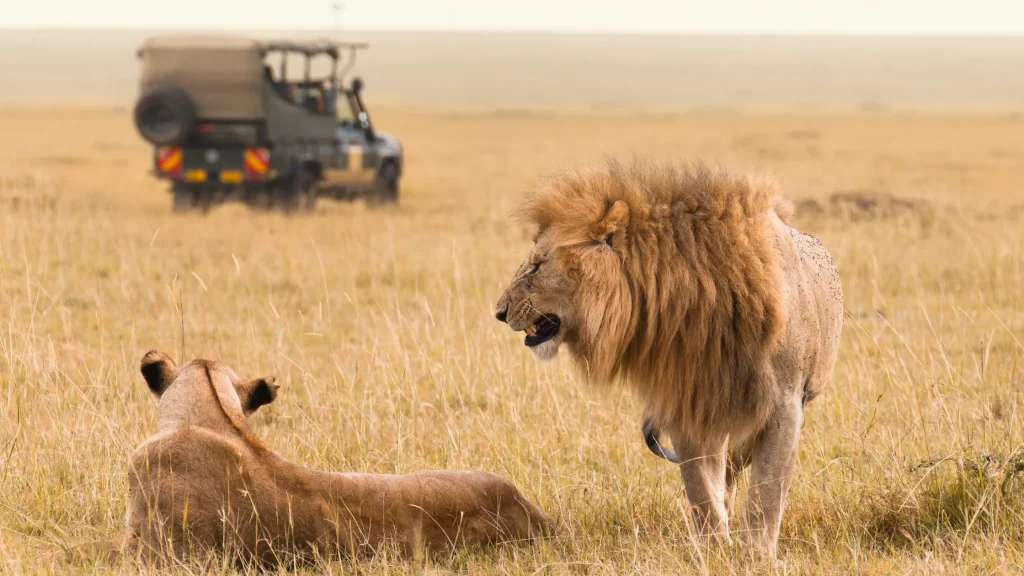
Carry a small amount of Kenya shillings (KES) and some clean US dollar notes for tips and market purchases, and use cards in Nairobi, lodges and larger towns. For a group safari, a common tip for your driver-guide is USD 10 to 20 per person per day, roughly KES 1,300 to 2,600.
Cards, ATMs and exchange
Cards work at most lodges, hotels and Nairobi restaurants. Use ATMs inside banks or malls, tell your bank your travel dates, and avoid withdrawing after dark. Change money at banks, your hotel or licensed bureaux and keep the receipt. Skip street changers. Take a card as a backup at the park gate too, since Kenyan parks have been moving to cashless payment.
Tipping guide
These are common guideline ranges. Ask your operator for its written policy so you know what’s already included.
| Who | Typical tip |
|---|---|
| Driver-guide, group safari | USD 10-20 per person per day |
| Driver-guide, private vehicle | USD 40-50 per vehicle per day |
| Tracker or spotter | USD 5-10 per person per day |
| Lodge or camp staff | USD 5-15 per person per night, often via a shared tip box |
Hand tips over at the end of the stay, in an envelope, ideally with a thank-you. Carry enough small notes for the last day, because change is rarely available on the road.
Money safety checklist
- Keep a day’s cash in a pocket and the rest in your lodge safe.
- Carry a card in a separate bag from your wallet.
- Use hotel or bank exchange only, and keep receipts.
- Photograph your cards and passport and store the images securely.
What Should You Pack for a Kenya Safari?
Pack neutral-coloured layers, a wide-brimmed hat, sturdy closed shoes, sunscreen, insect repellent, binoculars, a camera with a zoom lens and a soft-sided bag. Mornings and evenings are cool, midday is hot, and light aircraft often limit you to around 15 kg in a soft bag, so confirm your airline’s allowance.
Clothing and footwear
- Two or three lightweight long-sleeved shirts in khaki, olive or tan
- A warm fleece or jacket for dawn game drives
- Long trousers and one pair of shorts
- A wide-brimmed hat and sunglasses
- Closed, broken-in walking shoes or light boots, plus sandals for camp
Skip black and dark blue. They attract tsetse flies in some areas such as Tsavo and Samburu. Bright white shows dust quickly.
Optics and tech
- Binoculars (8×42 is a good all-round size)
- Camera with a 200-400mm zoom, or a phone with a good telephoto lens
- A power bank and a UK-style three-pin Type G adapter, which is Kenya’s standard plug
- Spare batteries and memory cards
Health and toiletries
- Sunscreen (SPF 30 or higher) and lip balm
- Insect repellent
- Basic medicines and any prescriptions
- Hand sanitiser and tissues
- Sanitary supplies, which can be hard to find outside towns
Documents and gear
- Passport, printed eTA, insurance details and emergency contacts
- A small daypack for game drives
- A refillable water bottle
- A dust cover or zip bag for your camera
Family extras
- Favourite snacks, a book or a tablet loaded with offline games for long drives
- Child medicines and a note of any allergies
- A child seat if you need one (ask your operator in advance, as availability for transfers varies)
Is a Kenya Safari Safe?
Yes, a Kenya safari is safe for most visitors who travel with a licensed operator and follow park rules. The main risks are avoidable: leaving the vehicle, approaching wildlife, petty theft in cities and using unvetted small-aircraft charters. Check your own government’s travel advisory before you book.
Park rules and wildlife encounters
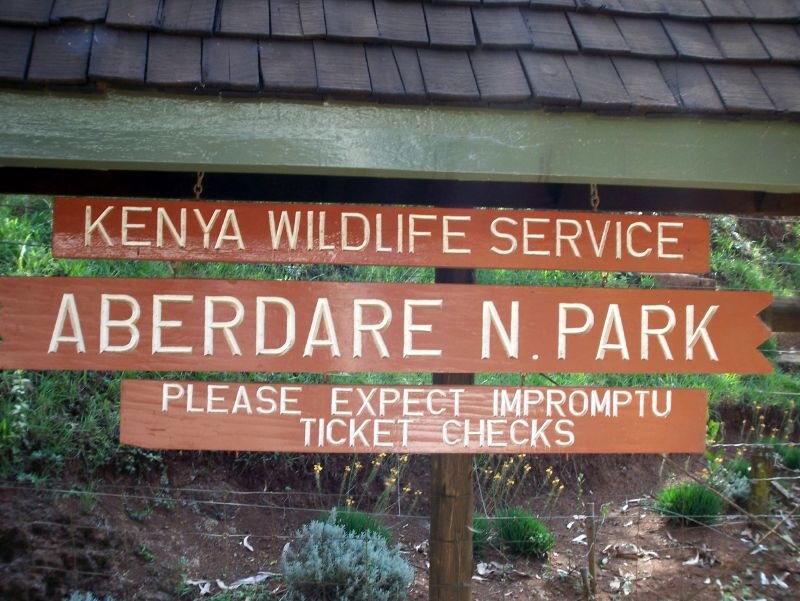
The Kenya Wildlife Service sets the rules in national parks, and conservancies and reserves follow similar ones. The core idea is simple: animals are wild, and distance protects both of you.
- Stay in the vehicle unless your guide says it is safe, such as at a designated picnic spot.
- Keep your voice low and your arms inside the roof opening.
- Never feed animals. Baboons and vervet monkeys steal food from open windows and tents.
- Do not litter, leave marked tracks or chase animals for a better view.
- If an elephant flaps its ears or trumpets, stay calm. Your guide will back away.
The guide’s judgment overrides your camera. If a driver tells you it is time to move, move.
Road and air transfers
Roads between Nairobi and the parks can be slow, and night driving is best avoided. Small aircraft are a normal and often very good way to reach the Mara, but vet your operator. In October 2025, a light aircraft heading to the Maasai Mara crashed in Kwale County, killing all 11 on board. Ask your safari company which airline it uses, whether that airline holds a current licence, and what its insurance covers. A reputable operator will answer without hesitation. Our guide to choosing a safari company in Kenya lists the questions worth asking.
Personal safety in towns
Nairobi is lively and welcoming, and normal city precautions apply. Keep your phone out of sight on the street, use app-based taxis or a taxi arranged through your hotel, and avoid walking alone after dark. Boda bodas (motorbike taxis) are cheap but not the safest option for visitors. If your flight lands late, pre-book an airport transfer so you aren’t negotiating at midnight.
Family and Group Travel Tips
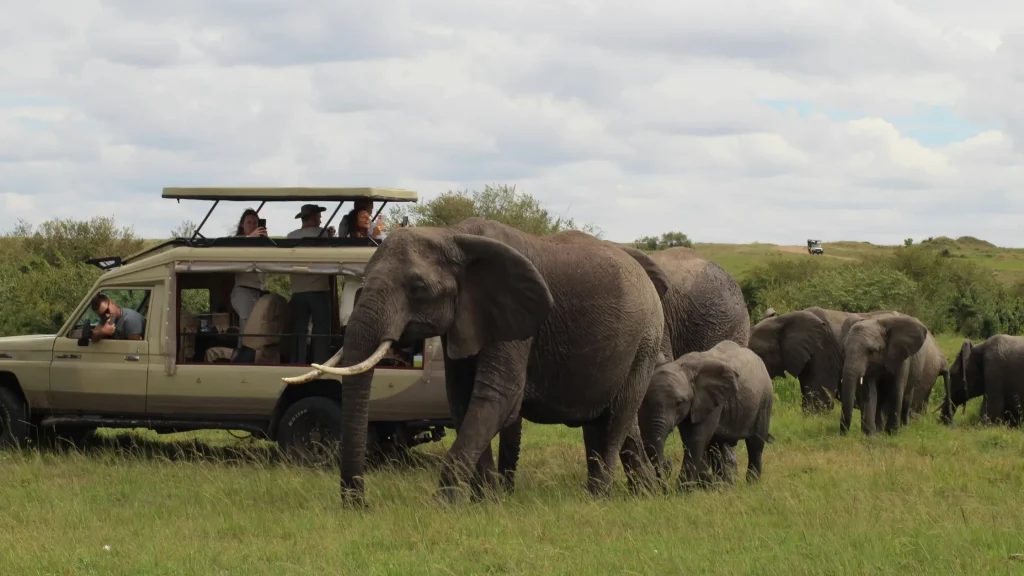
Family safaris work best with a private vehicle, flexible pacing and no more than three to four hours of driving a day. Children get restless in a shared minibus, and a private vehicle lets you stop when they need a break or a snack.
Camp and lodge policies on game-drive age differ, with many setting a minimum age, so ask your operator before you book. Park fees help with budgeting: the Maasai Mara admits children up to 8 free and charges USD 50 a day for ages 9 to 17, while KWS parks charge a reduced child rate for ages 5 to 17 and nothing under five. Our six-day family getaway is built around shorter drives and family-friendly lodges.
For long drives, pack snacks, download games before you leave, and tell your operator about allergies and dietary needs well ahead. Multi-generation groups should ask about vehicle step height and whether the lodge has ramps or ground-floor rooms.
Safari Photography and Drone Rules
Shoot at golden hour, when the light is soft and animals are most active, and keep binoculars handy so you notice what is there before the camera comes up. Protect your gear from dust and sun, and carry a beanbag or soft rest for steady shots from the vehicle.
- Charge batteries nightly and carry spares.
- Back up your photos every evening to a laptop, phone or cloud.
- A phone works fine for scenery and closer subjects. A 200-400mm lens, or a telephoto add-on for your phone, makes a real difference for wildlife.
Drones need serious care. Kenya treats drones as restricted items, and bringing one in requires approval from the Kenya Civil Aviation Authority. Flying in national parks and reserves is not allowed without written permission, and conservancies need approval from their managers. Most visitors leave the drone at home, and confiscation is a real risk. If aerial filming is essential, start the permission process weeks before you travel and speak to your operator.
How Can You Save Money Without Cutting the Experience?
Book the dry-season Mara 6 to 9 months ahead, travel in shoulder months (June, October to early December) for lower rates and fewer vehicles, and compare quotes line by line. Park fees are the biggest variable: the Maasai Mara charges non-resident adults USD 200 a day from 1 July 2026, double the January to June rate.
Current park fees (non-resident, per day)
| Park | Adult | Child | Set by |
|---|---|---|---|
| Maasai Mara (from 1 July 2026) | USD 200 | USD 50 (ages 9-17) | Narok County Government |
| Amboseli | USD 90 | USD 45 | KWS |
| Lake Nakuru | USD 90 | USD 45 | KWS |
| Tsavo East and West | USD 80 | USD 40 | KWS |
| Hell’s Gate | USD 50 | USD 25 | KWS |
These are the rates we found at the time of writing. They change, so confirm them with your operator and the KWS site at booking. Most packages include park fees, but check, because “park fees not included” can add hundreds of dollars to a quote. Community conservancies outside the main reserve charge their own daily fees, and many camps fold these into the nightly rate.
Hidden extras to watch
Compare quotes for domestic flights, tips, drinks, optional activities such as a hot-air balloon safari and airport transfers. A cheaper headline price often leaves these out.
How to vet a safari operator
Ask for the company’s licence details, recent traveller reviews, the vehicles and guides it uses, its insurance, and what happens if a flight or vehicle fails. Local affiliations and a named, reachable contact in Nairobi are good signs. Honest operators will also tell you when a plan is too ambitious for your dates.
Three Sample Kenya Safari Itineraries
3-day weekend: Nairobi and Hell’s Gate. Travel mode: road. Best for: short layovers and first-time visitors with limited time. Spend day one in Nairobi National Park and on the city’s wildlife attractions, then take a day trip to Hell’s Gate near Naivasha to cycle among zebras and giraffes beneath the cliffs. If you’d rather see the Mara, a three-day fly-in trip skips the long drive.
7-day classic: Mara plus Nakuru and Naivasha. Travel mode: road, with an optional flight to the Mara. Best for: first-timers who want the headline wildlife without a punishing schedule. Three nights in the Maasai Mara, then one or two nights at Lake Nakuru or Naivasha for rhinos, flamingos and boat trips. Our seven-day classic safari adds Amboseli’s elephants and Kilimanjaro views.
10-14 days relaxed: Mara, Laikipia, Amboseli and the coast. Travel mode: mix of road and air. Best for: travellers who want variety and rest. Start in the Mara, fly to Laikipia or Ol Pejeta for rhino and night drives, add Amboseli, then finish with three or four nights at Diani Beach. See the 14-day best of Kenya safari for a worked example. Browse more ideas in our guide to things to do in Kenya.
Frequently Asked Questions
Do I need a visa to enter Kenya?
Most visitors from outside Africa need an eTA, applied for on the official portal, etakenya.go.ke. Many African and East African Community nationals are exempt. Check your nationality on the portal and apply at least a week before travel.
When is the best time to see the wildebeest migration in Kenya?
The herds usually arrive in the Maasai Mara in July, with river crossings peaking in August and September, and move south in October. Dates shift each year with rainfall, so allow several days.
What vaccinations do I need for Kenya?
A yellow fever certificate can be required if you arrive from a risk country. Clinics also commonly discuss routine vaccines, hepatitis A and typhoid. Check the CDC page and see a travel clinic 6 to 8 weeks before departure.
Do I need malaria tablets for a Kenya safari?
Most safari areas, including the Mara, Tsavo and the coast, carry a higher malaria risk, so many travellers are advised to take tablets. Nairobi and the highlands above about 2,500 metres carry a lower risk. Ask your clinic.
How much cash should I bring on safari?
Bring a small amount of Kenya shillings and clean US dollar notes for tips, markets and small purchases. Cards work at most lodges and in Nairobi. Keep a card as a backup at park gates.
How much should I tip my safari guide?
A common guideline is USD 10 to 20 per person per day for a driver-guide on a group safari, or USD 40 to 50 per vehicle per day on a private safari. Ask your operator for its policy.
Can I use my phone for photography on safari?
Yes. Phones handle landscapes and nearby animals well. Bring a power bank, a dust-proof case and, for distant wildlife, a telephoto lens attachment or a camera with a zoom lens.
Is it safe to fly domestic small aircraft in Kenya?
Small aircraft are a normal way to reach the Mara, but vet the airline. Ask which carrier your operator uses, whether it holds a current licence and what insurance covers. A fatal crash in October 2025 is a reminder to check.
Can I bring a drone to Kenya?
Drones are restricted items. Importing one needs Kenya Civil Aviation Authority approval, and flying in national parks and reserves requires written permission. Most visitors leave their drone at home.
Is a Kenya safari suitable for children?
Yes, with the right pacing. Choose family-friendly lodges, a private vehicle and shorter drives. Policies on minimum age for game drives vary by camp, so ask your operator before booking.
How many days do I need for a Kenya safari?
Three days works for one destination. Seven to ten days lets you combine two or three parks comfortably, and ten to fourteen days adds Laikipia and the coast.
Are park fees included in safari packages?
Most packages include park fees, but not all do. Always confirm in writing, along with domestic flights, tips and conservancy fees, so your final cost holds no surprises.
Plan Your Kenya Safari With Sureway Tours
The pattern behind every good Kenya safari is the same: choose the right season, sort your eTA and health early, pack light and neutral, tip generously and listen to your guide. Get those right and the rest is wildlife.
If you’d like help turning these tips into a real itinerary, tell us your dates, who is travelling and the animals you most want to see, and we’ll build the plan around you. Request a free, no-obligation safari quote, or explore our Maasai Mara destination guide to start planning.